
The Overlooked Essentials: 10 Design Details That Make Everyday Living Healthier and Happier

By, Kate Hamblet
When I talk about designing or renovating a healthy, high-performance home, I usually start with what I call the non-negotiables: things like proper orientation, airtightness, high-quality insulation, and balanced mechanical ventilation. These are the big systems that set the foundation for comfort, efficiency, and indoor air quality.
But as important as those fundamentals are, there’s so much more to good home design — the quiet, often-overlooked details that shape how a home feels and functions every single day.
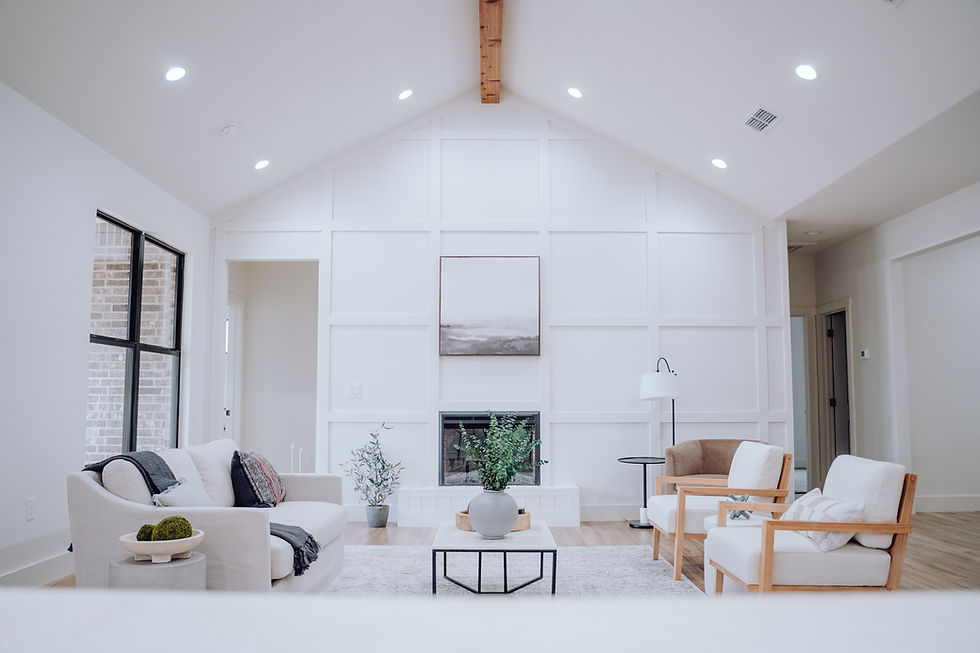
Some of these may not make it onto the “top 10” lists, but they’re every bit as valuable when it comes to creating a home that supports your well-being and simplifies daily life.
Below are 10 overlooked but important design features worth considering for your next new home or renovation project.
Design for Natural Cross Ventilation
This is one of the simplest and most effective comfort strategies — and it’s free. By placing windows on opposite sides of a room (or across open areas of your home), you allow outdoor air to flow through naturally, cooling the home on warm days and refreshing your indoor air
.
Prioritize a Healthy Entryway
A well-designed entryway is your home’s first line of defense against dirt, allergens, and toxins that come in from outside. Include a durable, easy-to-clean floor (like tile), a walk-off mat, and designated spots for shoes, coats, and bags. Keep it organized, and don’t forget to add a few personal touches that make you smile when you walk through the door.

Be Intentional with Window Placement
Windows do more than bring in light — they shape how your home connects to its surroundings and how efficiently it performs. Focus on quality, not quantity. Prioritize south-facing windows for light and passive solar gain, then shade them properly for summer comfort. (In really hot climates, north-facing windows are often a better option.)
Layer Your Lighting (and Add Smart Controls)
Great lighting design goes beyond just fixtures. Layer ambient, task, and accent lighting to create balance and flexibility throughout your home. Add dimmers or smart controls to adapt lighting for different moods and times of day while saving energy.
Incorporate Sound-Buffering Design
Noise has a bigger impact on our well-being than we often realize. To minimize it, start with the building envelope. Materials like hemp or wood fiber insulation and high-performance windows help reduce exterior noise. Inside, solid-core doors and insulated interior walls can make all the difference in keeping bedrooms and quiet spaces peaceful.
Build a Dry, Durable Foundation
A healthy home starts below ground. Good drainage, waterproofing, and capillary breaks prevent moisture from finding its way in. Exterior insulation or drainage boards help manage water and temperature, protecting your home’s structure and indoor air quality.
Bring in Biophilic Elements
Connecting with nature — through views, natural light, materials, or even patterns — helps lower stress and improve mood. Indoor plants are an obvious choice, but art, wood textures, and natural color palettes can also create that same sense of calm and connection.

Choose Durable, Low-Maintenance Exterior Materials
Sustainability doesn’t end with energy performance. Choosing long-lasting materials like metal roofing or fiber-cement siding reduces maintenance, waste, and long-term costs. It’s a win for your wallet, your sanity and the environment.
Plan for Future Solar (Even If You’re Not Ready Yet)
If solar panels aren’t in your immediate budget, make your home “solar-ready.” Keep roof space clear, orient it toward the south, and add conduit runs during construction. Mark “future solar” on your plans. It’s a simple step that saves time and money later.

Add a Family Drop Zone
It may sound small, but having a designated spot for daily essentials can transform your mornings. A family drop zone, with room for keys, phones, chargers, papers, and the random treasures kids collect, keeps clutter under control and your mind at ease.

Final Thoughts
These features may not all be the most important aspects of home design, but together they can dramatically improve your home’s comfort, functionality, and sense of calm. They’re the details that make a house feel truly livable.
To help homeowners think through these details — from room-by-room health and sustainability to energy and comfort — I created The Sustainable and Healthy Home
Design Checklist.
It’s a comprehensive guide to designing or renovating your home with confidence, helping you:
Focus on what really matters
Avoid costly oversights
Make choices that support your health and lifestyle
Get your copy of the checklist here and start creating a home that’s beautiful, sustainable, and truly supports your well-being.

By, Kate Hamblet
The Wellness Architect Balanced Architecture
Kate helps health-conscious families create homes that support and promote health, happiness and longevity. You'll find her at www.balancedarchitecture.com


Comments