
Eco Education at Home: Fun Ways to Teach Kids Sustainability

By, Lucy Chatman
Spring is a season of growth and renewal, a perfect time to notice how the small choices we make at home can ripple out into the world around us. As gardens bloom and days grow longer, families have a unique opportunity to introduce children to sustainability in a way that is hands-on, creative, and fun. Every action—from planting a seed to repurposing a jar—teaches children that caring for the environment is both important and rewarding.
Earth Day, celebrated each year on April 22nd, provides a special occasion to focus on these lessons. It’s more than just a day to think about the planet; it’s a chance to turn learning into practice, helping children see how their daily choices—what they plant, recycle, or reuse—make a real difference.
Plant a Mini Garden
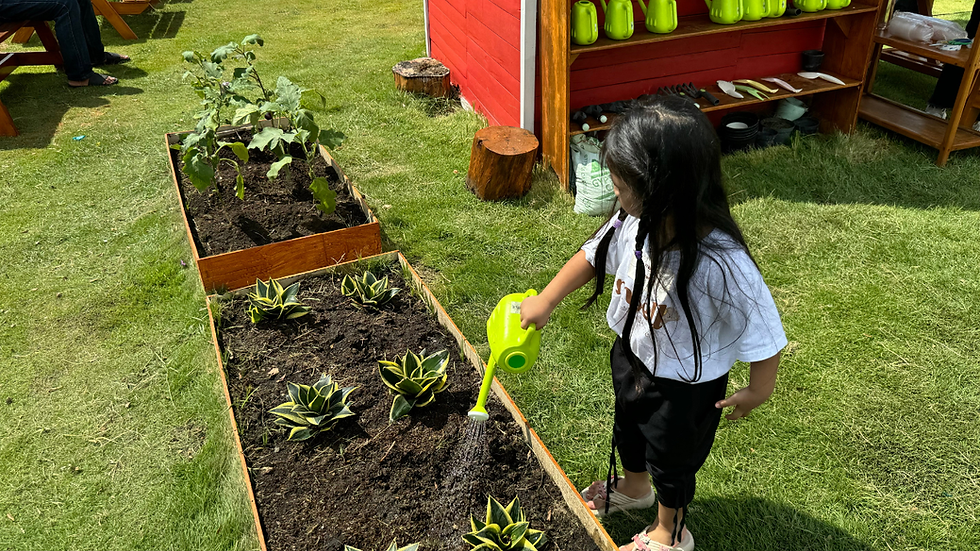
Gardening is one of the most tangible and rewarding ways for children to connect with nature. Even a small container of herbs on a windowsill, a balcony vegetable patch, or a backyard garden allows kids to observe how plants grow and understand the cycle of life. While tending to their garden, they can learn to compost kitchen scraps to enrich the soil and practice careful watering to conserve resources. Choosing pollinator-friendly flowers and plants teaches them about supporting bees, butterflies, and the broader ecosystem. Gardening cultivates patience, responsibility, and environmental stewardship, while also encouraging a healthier indoor and outdoor environment. Children quickly see that the simple act of nurturing a plant contributes to a larger ecosystem, giving them a sense of accomplishment and connection to the natural world.
Recycling Crafts and Upcycling Projects
Recycling and repurposing materials can be a fun, hands-on way for children to learn about sustainability. One actionable project is creating a DIY bird feeder from a recycled milk carton—cut a window, fill it with birdseed, and let kids decorate it with markers or stickers before hanging it outside. Another idea is turning tin cans or glass jars into mini planters, where children can plant herbs or flowers and watch them grow over time. Even scrap cardboard can become imaginative playhouses or art projects. These activities teach kids that everyday items can have a second life instead of being thrown away, while fostering creativity, problem-solving, and a sense of pride in their accomplishments.

Everyday Sustainability Habits
Sustainability becomes most effective when it’s part of everyday routines. Simple habits can be turned into fun, educational activities. For example, children can be rewarded for remembering to turn off the tap while brushing their teeth, turning small chores into games. Composting can be made exciting by giving kids their own mini compost jar—a safe, contained way for them to collect food scraps, watch decomposition, and manage their compost independently. Educational books like Tiny Creatures: The World of Microbes help kids visualize what happens in their compost, and online interactive composting games add another layer of learning and engagement. Incorporating these habits into daily life shows children that sustainability is a lifestyle, not a one-time project, and helps them internalize responsible choices as part of their routine.

Family-Friendly Eco Challenges
Earth Day can also be an opportunity for families to turn sustainability into fun competitions. A “Zero-Waste Day” challenge encourages everyone to minimize trash for a day, while a plant growth contest has each family member caring for a plant, tracking its progress, and celebrating successes. A recycling relay adds a playful twist—set a timer to see who can correctly sort recyclables the fastest, while explaining what materials go where. These challenges encourage teamwork, reinforce eco-friendly habits, and make sustainability interactive and memorable.

Engaging children in Earth Day activities at home sets the foundation for a lifetime of eco-conscious choices. Gardening, recycling crafts, interactive daily habits, and family challenges make sustainability tangible, exciting, and meaningful. Earth Day becomes a celebration of learning, creativity, and shared responsibility for the planet we all call home.

By, Lucy Chatman
Staff Writer for HealthyHOME Media


Comments