
Cleaner Air Starts with an Airtight Home

By, Kate Hamblet

When people think about creating a healthy home, they often focus on things like non-toxic materials, air purifiers, or natural cleaning products. But one of the most important parts of a healthy home is something you can’t even see: air leakage.
The way a home handles air affects indoor air quality, comfort, energy efficiency, and moisture control. While many people assume homes need to be “a little leaky” to stay healthy, modern building science shows the opposite is true. A healthy home should be as airtight as possible and then intentionally ventilated with a properly designed mechanical ventilation system.
WHAT AN AIRTIGHT HOME ACTUALLY MEANS
An airtight home is designed so outside air cannot randomly leak in through cracks and gaps around the building. Instead of outdoor air sneaking in through attics, wall cavities, crawlspaces, and around windows, fresh air is brought in intentionally through open windows or a mechanical ventilation system.
That ventilation system is usually an ERV (Energy Recovery Ventilator) or HRV (Heat Recovery Ventilator). These systems continuously bring in filtered fresh air while exhausting stale indoor air. Think of them as the lungs of the house.
At first, sealing up a home tightly and then adding a ventilation system may sound counterintuitive. But controlled fresh air is far healthier than uncontrolled air leakage.
Indoor air can often be more polluted than outdoor air. Pollutants come from furniture, finishes, cleaning products, cooking, dust, and even carbon dioxide from occupants. Uncontrolled air leakage will also bring in dust, insulation particles, moisture, and pollutants from attics, crawlspaces, garages, and wall cavities.
An airtight home helps prevent those outside contaminants from entering the living space. Then, the ventilation system provides a continuous supply of filtered fresh air.

MOISTURE + MOLD CONTROL
Airtight homes also do a much better job controlling moisture. During humid weather, outside air carries a large amount of moisture. In a leaky home, that humid air constantly seeps through cracks and gaps. Over time, excess moisture can contribute to mold, rot, and poor indoor air quality.
Balanced ventilation systems help remove stale, humid indoor air while maintaining healthy humidity levels inside the home.
COMFORT + ENERGY EFFICIENCY
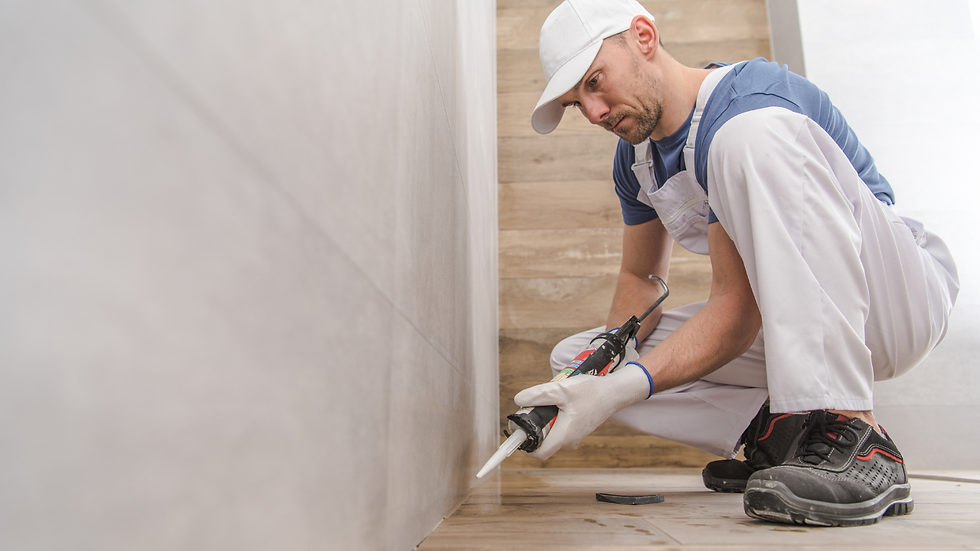
There are also major benefits to comfort and energy efficiency. Airtight homes reduce drafts, maintain more consistent temperatures, and are often quieter because they limit outside noise infiltration. They also waste far less energy since heated or cooled air is not constantly escaping through hidden gaps in the structure. It's estimated that a third of the energy you buy for heating and cooling your home is lost through the cracks in your walls. That's so much wasted money! An airtight house keeps your energy bills low.
The healthiest homes are not the ones that “breathe” through random cracks and leaks. They are homes that are carefully sealed and intentionally ventilated.

Cleaner air truly starts with an airtight home.

By, Kate Hamblet
The Wellness Architect Balanced Architecture
Kate helps health-conscious families create homes that support and promote health, happiness and longevity. You'll find her at www.balancedarchitecture.com


Comments