

Compliments of
Jill Powell
June 2026

Building with Nature
Why the Future of Healthy Homes Is Biobased
Home Inspection Red Flags
A Health Expert’s Guide to a Low-Toxin Home
Embrace Your Hometown
Checklist That Actually Works


This summer has a way of inviting us to look at home a little differently. It’s the season of slower mornings, longer evenings, open windows, backyard gatherings, and finding joy in the everyday places we often overlook.
In this issue, we explore what it means to make the most of the season—whether that’s rediscovering the beauty of your own hometown, creating a staycation that feels genuinely restorative, or finding simple ways to keep kids engaged, active, and happy all summer long.
We also dive into the deeper side of healthy living at home, from creating a lower-toxin environment and understanding home inspection red flags to exploring why biobased materials may play an important role in the future of healthier homes.
Recipe of the Month

Grapefruit Rhubarb Gin and Tonics
Heather Christo, Deliciously Allergen Free Recipes
Just in time for the weekend! You have got to try these super refreshing and delicious cocktails. They are super easy, eye-popping and perfect for Summer sipping!
Photo Credit: Heather Christo
Organization

Embrace Your Hometown: How to Truly Enjoy Your Staycation.
By Jolene Nannette
Staying local during the summer can be just as exciting as traveling abroad if you approach it with intention. There are many things you may never experience right outside your own front door! Organizing your time and schedule to explore your hometown can unveil hidden gems and new experiences. Here’s how to make the most of a staycation summer by being a tourist in your own city.
Featured Article


What is Biophilic Design in Real Estate?
Jill Powell
Feng Shui Essentials

Home as Destination: The Wellness Case for Designing Where You Already Are
By Dee Oujiri
The unscheduled morning, the light that enters differently, the sense that nothing is required of you yet or perhaps ever. The quality of attention that only arrives when the usual obligations have been suspended. The body's particular way of breathing when it is not braced for whatever is next.
Wellness Design
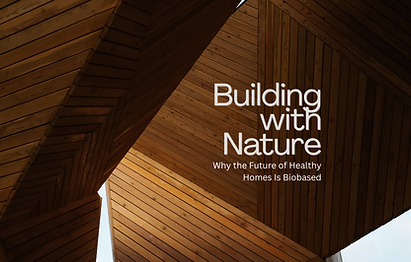
Building with Nature: Why the Future of Healthy Homes Is Biobased
By Cassy West
The construction industry is responsible for roughly 40% of global emissions, with materials extraction, production, and transport accounting for a significant portion of that before a single wall goes up. As architects and designers reckon with this reality, a growing movement is turning back to nature, specifically to wood and other biobased materials, as a viable, even superior, alternative to concrete and steel. We see this more and more in kitchen and bathroom design as owners are leaning away from white, stark, sterile looking interiors.
Summer Season

Bye Bye Boredom: Simple ways to keep kids engaged & happy all summer long
By Lucy Chatman
As soon as summer begins, the rhythm of the home shifts. At first, there’s excitement — no school, no alarms, no structured mornings. But within days, that open space often turns into a familiar refrain: “I’m bored.”
Aromatherapy Wellness
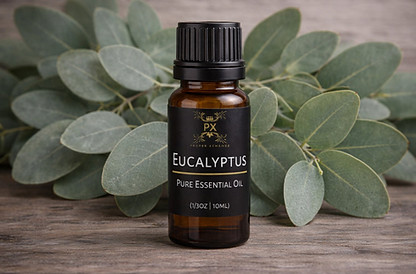
Cool, Calm & Collected:
The Power of Cooling Essential Oils
By Debbie Pullens
Nature's original air conditioning comes in a tiny amber bottle. The cooling essential oil families of Peppermint and Eucalyptus have been used for centuries to ease headaches, clear airways, soothe nausea, calm anxious minds, and bring swift relief during allergy season. Understanding chemotypes — the natural chemical variations within a single plant species — unlocks a new level of targeted, therapeutic aromatherapy practice.
Healthy Home
Home Inspection Red Flags: A Health Expert’s Guide to a Low-Toxin Home
You’ve found the one. The neighborhood is perfect, the layout fits your family, and you can already imagine your kids playing in the backyard. Then, the home inspection report hits your inbox. It’s 60 pages of technical jargon, blurry photos of crawlspaces, and a long list of repairs.
Architecture
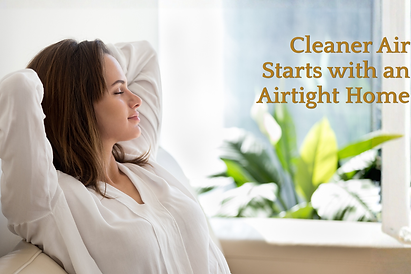
Cleaner Air Starts with an Airtight Home
By Kate Hamblet
When people think about creating a healthy home, they often focus on things like non-toxic materials, air purifiers, or natural cleaning products. But one of the most important parts of a healthy home is something you can’t even see: air leakage. The way a home handles air affects indoor air quality, comfort, energy efficiency, and moisture control. While many people assume homes need to be “a little leaky” to stay healthy, modern building science shows the opposite is true. A healthy home should be as airtight as possible and then intentionally ventilated with a properly designed mechanical ventilation system. Most people assume that feeling comes from a busy schedule, poor sleep, or stress. And while those matter, there’s another piece that often gets overlooked: Your home itself might be contributing to that exhaustion. The good news? Once you understand why, you can start making simple changes that make a real difference.

